RSS

Building New in Kenridge Park. Stop Dreaming. Start Building.

Your Guide to Building a New Home in Kenridge Park, Tantramar

  • You’ve subscribed to HOUZZ and saved photos for years 

  • You’ve created boards and scrolled Pinterest late at night.  

  • You’ve watched renovation reels & followed Youtube creators.  

  • You’ve driven through Kenridge Park imagining what your own home could look like there.

You know what you like. You know what you would change about your current home, and at some point, dreaming turns into a decision.

If you’ve been thinking about building in Tantramar, this might be your moment.  Kenridge Park Phase 3 in Sackville is gaining attention from buyers who want new homes in a planned subdivision with space, modern design, and room to grow. Whether you’re thinking about buying a lot to build or moving into one of the new homes already under construction, understanding the process helps you make smart decisions and avoid surprises.

In this blog we look at what to expect when navigating a land purchase and a new build, timelines, common pitfalls, financing differences compared to buying an existing home, and why having the right team matters.  

Kenridge Park Phase 3 currently has 13 fully serviced lots available, priced from $40,000 to $105,000, with municipal water and sewer, paved roads, and protective covenants in place.

You can build what fits your life. Or you can move into one of two new homes already under construction for Spring 2026.

Let’s walk through what that actually looks like.


To Buy or To Build?

Buying an existing home is often simpler. It’s faster. You see what you’re getting.

But there are limits.

  • You compromise on layout.

  • You live with someone else’s design choices.

  • You inherit maintenance history.

  • You renovate sooner than expected.

Building new removes those limits.

You choose the layout.
You choose the finishes.
You get modern efficiency and lower maintenance.
You design around how you actually live.

In a growing area like Tantramar, that flexibility is available to you.

Why Build in Kenridge Park Phase 3?

Kenridge Park is one of Sackville’s newer developments. Phase 3 offers:

  • Fully serviced municipal lots

  • Paved streets

  • Protective covenants

  • A growing neighbourhood of newer homes

Lot prices from $40,000 to $105,000 keep entry realistic while still allowing you to build something substantial.

You are close to Mount Allison University, minutes from downtown Sackville, and within commuting distance to Moncton and Amherst.

It works for families, downsizers, professionals, and buyers relocating to the area.

What Does It Actually Cost to Build?

This is the first real question.

Start with:

  1. Lot purchase

  2. Construction cost per square foot

  3. Landscaping and driveway

  4. Appliances and upgrades

  5. A contingency buffer

Your lender will typically require:

  • Detailed plans

  • A fixed price contract with your builder

  • Progress draw schedule

  • New home warranty coverage

Construction financing is different from buying an existing home.

  • Funds are released in stages as the home is built.

  • There are progress inspections by the lender.

  • You may carry interest-only payments during construction.

It requires more paperwork, but it gives you control.

Buying Land First

With 13 lots available in Phase 3, you can secure the location before committing to a build timeline.

Things to consider:

  • Confirm servicing details

  • Review subdivision covenants

  • Understand minimum build requirements

  • Talk to your lender early

Land loans can require higher down payments than resale homes, so plan ahead.

Finding the Right Builder

Not all builders operate the same way.

Look for:

  • Clear contracts

  • Transparent allowances

  • Realistic timelines

  • Local experience

In Tantramar, weather will play a factor in your build. Expect a typical build timeline of 4 to 6 months, sometimes longer depending on start date and materials.

  • Stay involved.

  • Communicate often.

  • Keep decisions moving.

Design Around Your Life

This is where excitement meets reality.

Instead of copying your Pinterest board, define your lifestyle, and ask:

  • How do we use our kitchen?

  • Do we host often?

  • Do we need a home office?

  • Are we planning to age in place?

  • Do we want a garage now or later?

Focus on lifestyle first. Finishes come second.

Stay flexible. You will adjust. Every build involves compromise somewhere.

Want to Skip the Build Process?

If you like the idea of new construction but prefer a completed home, I have two new builds are already underway in Kenridge Park.

34 Burman Street – $479,900
Ready Spring 2026
https://pattisteele.ca/mylistings.html/listing.nb133047-34-burman-sackville-e4l-0e7.107908494

33 Burman Street – $499,900
Ready Spring 2026
https://pattisteele.ca/mylistings.html/listing.nb132469-33-burman-street-sackville-e4l-0e1.107853632

These homes give you modern layouts, efficiency, and the benefits of new construction without managing the build yourself.
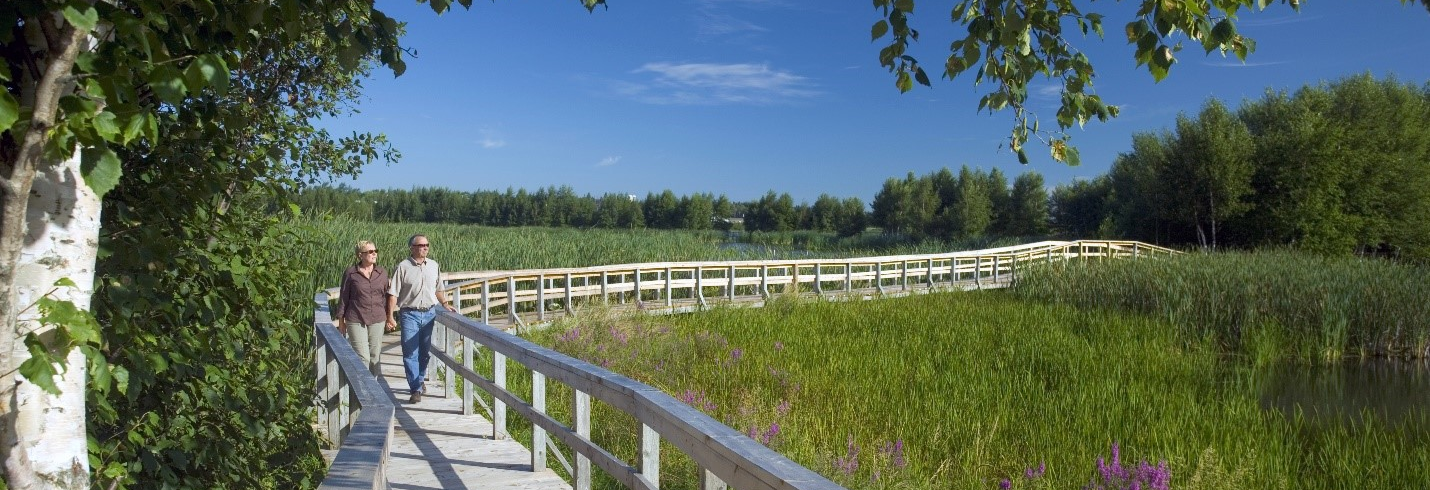
What Makes Tantramar Different

Tantramar is growing steadily. Demand remains strong for newer homes close to schools, services, and commuter routes.

Building here gives you:

  • Long-term value in a stable community

  • Lower maintenance costs in early years

  • Strong appeal to future buyers

New construction in Sackville is still limited compared to larger markets. That scarcity helps support value.

Final Thoughts

What This Means for You

Building in Kenridge Park Phase 3 gives you flexibility and a chance to create a home that fits your needs. It also requires planning, realistic expectations, and the right team around you.

If you want to talk through the process, timelines, estimated costs, financing options, or compare building versus purchasing one of the new homes on Burman Street, reach out, we can map out the numbers and see what fits your goals.


Patti Steele
(506) 962-4773
patti@pattisteele.ca

Read

2026 Housing Market Outlook for New Brunswick

The 2026 housing market outlook for New Brunswick points to a year of steady movement rather than sharp change. After several years of volatility, forecasts suggest the market is settling into a more predictable pattern. For buyers and sellers in Sackville, that kind of environment rewards planning, patience, and realistic expectations.

The Canadian Real Estate Association (CREA) projects modest increases in both sales activity and prices across the province in 2026. That doesn’t signal a boom or a correction. It signals balance.

What CREA Is Forecasting for 2026

CREA’s latest forecast estimates approximately 10,000 residential home sales in New Brunswick in 2026, which represents a 3.7% increase over 2025. This indicates slightly stronger activity, but not a return to the fast-paced conditions seen earlier in the decade.

At the same time, the average home price is forecast to sit around $356,000, up modestly from roughly $348,000 in 2025. That increase reflects ongoing demand, but also acknowledges affordability limits and buyer caution.

In plain terms, CREA is projecting growth that is controlled and incremental. That matters because it reduces the risk of sudden price swings and creates a more stable environment for decision-making.

Sources:

What “Steady Growth” Actually Means

Steady growth doesn’t mean nothing is happening. It means the market is functioning without extremes. Sales are increasing slowly, prices are edging upward, and neither buyers nor sellers have a clear upper hand.

For New Brunswick, this kind of growth often reflects a combination of local demand, population movement, and limited housing supply rather than speculation. It also means fewer surprises. Buyers aren’t suddenly priced out month to month, and sellers aren’t chasing a falling market.

This type of market tends to favour informed decisions over emotional ones.

What This Means for Buyers in Sackville

For buyers, the 2026 housing market outlook for New Brunswick suggests a calmer experience than in recent years. Competition still exists, but it’s more controlled. Multiple-offer situations can happen, but they’re less frequent and less aggressive.

Price growth is gradual, which helps with budgeting and long-term planning. Buyers have more room to negotiate, complete inspections, and think through their purchase rather than feeling rushed.

In Sackville, where prices already sit below provincial and national averages, this stability helps preserve affordability while still supporting long-term value.

What This Means for Sellers in Sackville

Sellers are operating in a market that rewards preparation. Homes that are priced accurately and presented well continue to attract interest, but buyers are selective. Overpricing tends to lead to longer days on market rather than bidding wars.

The upside is that the forecast doesn’t point to declining values. Sellers aren’t competing against falling prices or shrinking demand. Instead, they’re working in a market where strategy matters more than timing hype.

In short, selling successfully in 2026 will depend less on luck and more on getting the fundamentals right.

Why Sackville Often Tracks Differently

Provincial forecasts provide useful context, but Sackville often moves at its own pace. Smaller markets tend to experience less volatility than large urban centres. Price changes are usually slower, and trends take longer to show up.

Local factors such as housing supply, employment, and buyer demographics often play a bigger role here than national headlines. That’s why steady provincial growth usually translates into stability locally rather than rapid change.

Understanding that difference helps buyers and sellers set realistic expectations.

The Bottom Line

The 2026 housing market outlook for New Brunswick points to a year defined by moderation. Sales are expected to rise slightly. Prices are forecast to increase gradually. The overall market leans toward balance.

For Sackville, this creates conditions where thoughtful planning beats rushed decisions. If you’re considering buying or selling, the key is understanding how these provincial trends apply to your specific situation and property type.

If you want to talk through what this outlook means for you locally, reach out anytime.

Sources

Read

What the 2026 Assessment Freeze Means For Homeowners

A new property assessment freeze is on the books for 2026. The New Brunswick government has introduced amendments to the Assessment Act that keep property assessment values for the 2026 taxation year at their 2025 levels . The move aims to give property owners a break while the province overhauls its property tax system. If you own a home in Tantramar or anywhere in New Brunswick, here’s how the freeze works and what it means for your property taxes and planning.


Why a one‑year assessment freeze matters

When assessment values stay the same, your taxable property value doesn’t jump for at least one year. That means your 2026 tax bill should reflect 2025 assessment figures, not any market increase that happened in 2025 or early 2026. The goal is to provide predictability during a transition period as the province looks at broader tax reforms.

Benefit: Roughly 430 000 properties across New Brunswick stand to benefit from the freeze. If you’ve seen big valuation jumps over the past few years, this pause can help you plan for at least one year of predictable taxes.

Who is excluded from the freeze

The freeze isn’t universal. Certain situations still trigger a reassessment at the 2025 level or higher. According to the legislation, the following are not covered:

  • New construction – Building a new home or adding a new building on your land will be assessed at current value.

  • Major improvements – Extensive renovations or significant upgrades (with or without permits) can lead to a higher assessment.

  • Property sales or transfers – Most sales will result in a new assessment. Some prescribed exceptions may exist, but most transactions trigger a reassessment.

  • Errors or omissions – If an error was made on your 2025 assessment, the assessor can correct it and adjust the 2026 value.

  • Use changes – Converting a home to a rental, commercial or other use can remove the freeze for that property.

If your situation falls into one of these categories, your assessment could still change, so be ready for a different property tax bill.

Expanded monthly payment plan

Alongside the freeze, the province is proposing changes to the Equalized Payment Plan. Right now, only owner‑occupied homes can pay property tax in twelve equal monthly instalments without penalty. The amendments would expand eligibility to non‑owner‑occupied and other residential and non‑residential properties. In 2026, over 460 000 property owners could be able to spread their tax payments throughout the year.

If cash‑flow is tight, enrolling in the equalized payment plan can make budgeting easier. Details on applying will be available before the March 2026 tax billing cycle. Keep an eye on the Service New Brunswick website for registration dates.

How the freeze affects your property taxes

With assessments held at 2025 values, your property taxes for 2026 will depend on two main factors:

  1. Municipal and provincial tax rates – Even if your assessment stays flat, a rate change can raise or lower your bill. Local councils and the provincial government set these rates each year.

  2. Your property’s eligibility – If you’re excluded from the freeze because of a sale, major improvement or new build, you’ll be taxed at the updated assessed value.

For most homeowners, the freeze provides a short reprieve from rapid assessment growth. It’s a chance to plan ahead, pay down debt or invest in needed maintenance without the shock of a higher taxable value.

Planning tips for 2026 and beyond

  • Review your 2025 assessment: Make sure the details (square footage, additions, land size) are accurate. Errors corrected in 2026 can still raise your assessment.

  • Schedule renovations carefully: Major improvements in 2026 will trigger a new assessment at current market value. If you’re planning upgrades, weigh the timing against potential tax changes.

  • Consider the payment plan: If you own rental or commercial property, look into the expanded equalized payment plan once details are released.

  • Stay informed: This freeze is a temporary measure. The province plans to reform the entire tax system, so future years may bring new valuation methods or rate structures.


New Brunswick’s one‑year assessment freeze offers a welcome pause for many homeowners in the Sackville area. It can provide breathing room and a predictable tax bill while you plan your finances. If you’re unsure how the freeze or expanded payment plan affects your situation, reach out—I’d be happy to help you understand your options.

Patti Steele

(506) 962-4773

patti@pattisteele.ca

  • The information is for general guidance on the 2026 assessment freeze and may not reflect every situation.

  • Check with Service New Brunswick or a tax professional to confirm how the rules apply to your property.

  • The assessment process and regulations may change as the province reviews the property‑tax system, so refer to official sources for the latest updates.

Read
The trademarks REALTOR®, REALTORS®, and the REALTOR® logo are controlled by The Canadian Real Estate Association (CREA) and identify real estate professionals who are member’s of CREA. The trademarks MLS®, Multiple Listing Service® and the associated logos are owned by CREA and identify the quality of services provided by real estate professionals who are members of CREA. Used under license.