Your Guide to Building a New Home in Kenridge Park, Tantramar
You’ve subscribed to HOUZZ and saved photos for years
You’ve created boards and scrolled Pinterest late at night.
You’ve watched renovation reels & followed Youtube creators.
You’ve driven through Kenridge Park imagining what your own home could look like there.
You know what you like. You know what you would change about your current home, and at some point, dreaming turns into a decision.
If you’ve been thinking about building in Tantramar, this might be your moment. Kenridge Park Phase 3 in Sackville is gaining attention from buyers who want new homes in a planned subdivision with space, modern design, and room to grow. Whether you’re thinking about buying a lot to build or moving into one of the new homes already under construction, understanding the process helps you make smart decisions and avoid surprises.
In this blog we look at what to expect when navigating a land purchase and a new build, timelines, common pitfalls, financing differences compared to buying an existing home, and why having the right team matters.
Kenridge Park Phase 3 currently has 13 fully serviced lots available, priced from $40,000 to $105,000, with municipal water and sewer, paved roads, and protective covenants in place.
You can build what fits your life. Or you can move into one of two new homes already under construction for Spring 2026.
Let’s walk through what that actually looks like.
To Buy or To Build?
Buying an existing home is often simpler. It’s faster. You see what you’re getting.
But there are limits.
You compromise on layout.
You live with someone else’s design choices.
You inherit maintenance history.
You renovate sooner than expected.
Building new removes those limits.
You choose the layout.
You choose the finishes.
You get modern efficiency and lower maintenance.
You design around how you actually live.
In a growing area like Tantramar, that flexibility is available to you.
Why Build in Kenridge Park Phase 3?
Kenridge Park is one of Sackville’s newer developments. Phase 3 offers:
Fully serviced municipal lots
Paved streets
Protective covenants
A growing neighbourhood of newer homes
Lot prices from $40,000 to $105,000 keep entry realistic while still allowing you to build something substantial.
You are close to Mount Allison University, minutes from downtown Sackville, and within commuting distance to Moncton and Amherst.
It works for families, downsizers, professionals, and buyers relocating to the area.

What Does It Actually Cost to Build?
This is the first real question.
Start with:
Lot purchase
Construction cost per square foot
Landscaping and driveway
Appliances and upgrades
A contingency buffer
Your lender will typically require:
Detailed plans
A fixed price contract with your builder
Progress draw schedule
New home warranty coverage
Construction financing is different from buying an existing home.
Funds are released in stages as the home is built.
There are progress inspections by the lender.
You may carry interest-only payments during construction.
It requires more paperwork, but it gives you control.
Buying Land First
With 13 lots available in Phase 3, you can secure the location before committing to a build timeline.
Things to consider:
Confirm servicing details
Review subdivision covenants
Understand minimum build requirements
Talk to your lender early
Land loans can require higher down payments than resale homes, so plan ahead.
Finding the Right Builder
Not all builders operate the same way.
Look for:
Clear contracts
Transparent allowances
Realistic timelines
Local experience
In Tantramar, weather will play a factor in your build. Expect a typical build timeline of 4 to 6 months, sometimes longer depending on start date and materials.
Stay involved.
Communicate often.
Keep decisions moving.

Design Around Your Life
This is where excitement meets reality.
Instead of copying your Pinterest board, define your lifestyle, and ask:
How do we use our kitchen?
Do we host often?
Do we need a home office?
Are we planning to age in place?
Do we want a garage now or later?
Focus on lifestyle first. Finishes come second.
Stay flexible. You will adjust. Every build involves compromise somewhere.
Want to Skip the Build Process?
If you like the idea of new construction but prefer a completed home, I have two new builds are already underway in Kenridge Park.
34 Burman Street – $479,900
Ready Spring 2026
https://pattisteele.ca/mylistings.html/listing.nb133047-34-burman-sackville-e4l-0e7.107908494
33 Burman Street – $499,900
Ready Spring 2026
https://pattisteele.ca/mylistings.html/listing.nb132469-33-burman-street-sackville-e4l-0e1.107853632
These homes give you modern layouts, efficiency, and the benefits of new construction without managing the build yourself.
What Makes Tantramar Different
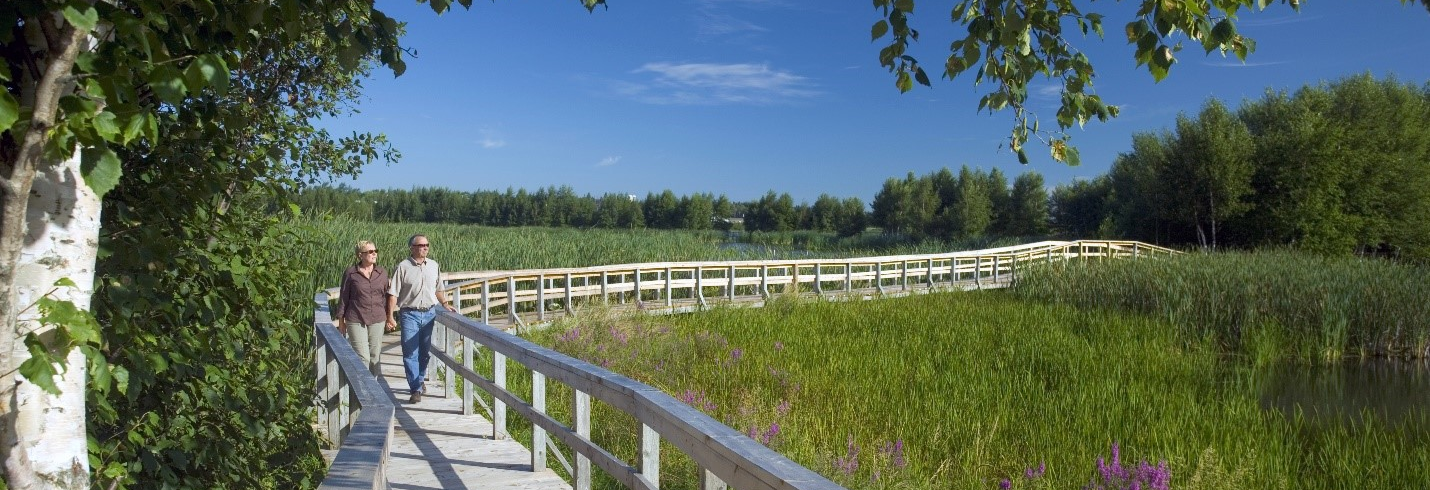
Tantramar is growing steadily. Demand remains strong for newer homes close to schools, services, and commuter routes.
Building here gives you:
Long-term value in a stable community
Lower maintenance costs in early years
Strong appeal to future buyers
New construction in Sackville is still limited compared to larger markets. That scarcity helps support value.
Final Thoughts
What This Means for You
Building in Kenridge Park Phase 3 gives you flexibility and a chance to create a home that fits your needs. It also requires planning, realistic expectations, and the right team around you.
If you want to talk through the process, timelines, estimated costs, financing options, or compare building versus purchasing one of the new homes on Burman Street, reach out, we can map out the numbers and see what fits your goals.

Patti Steele
(506) 962-4773
patti@pattisteele.ca